Preparing for the Ultimate East African Safari: Essential Gear for Uganda, Kenya, and Tanzania
Preparing for the Ultimate East African Safari: Essential Gear for Uganda, Kenya, and Tanzania
East Africa is home to some of the world’s most extraordinary safari destinations, offering unforgettable experiences that attract thousands of travelers every year. Whether you are trekking through the misty forests of Uganda in search of endangered mountain gorillas, witnessing the spectacular Great Wildebeest Migration across Kenya’s Maasai Mara and Tanzania’s Serengeti, exploring the vast plains of Amboseli, cruising along the Kazinga Channel, or camping beneath the African night sky, every adventure requires careful preparation. While choosing the right destination and itinerary is important, having the appropriate outdoor equipment is equally essential for ensuring comfort, safety, and an enjoyable experience. At Wildlife Outdoor Gear UG, we understand that every successful adventure begins with reliable equipment, which is why we supply premium outdoor, safari, camping, and tactical gear designed to meet the needs of adventurers, tour operators, researchers, and outdoor enthusiasts across East Africa.
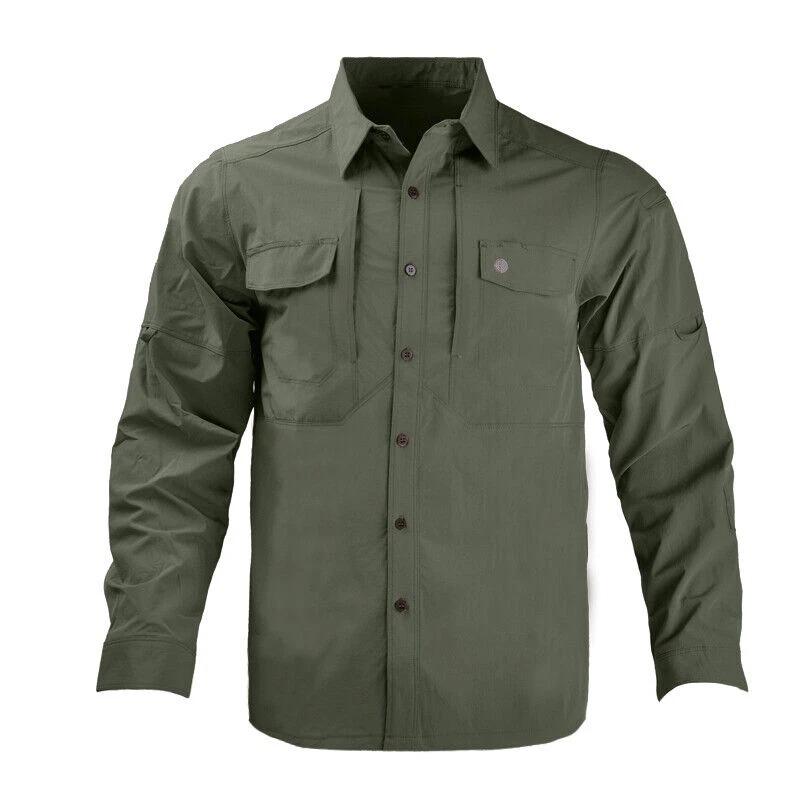
One of the first priorities for any safari traveler is selecting suitable clothing. Safari destinations often experience changing weather conditions, with chilly mornings, warm afternoons, and occasional rain showers. Lightweight, breathable clothing in neutral colours such as khaki, olive green, beige, and brown helps regulate body temperature while blending naturally into the environment without attracting unnecessary attention from wildlife or insects. Long-sleeved shirts and long trousers provide additional protection against thorny vegetation, insects, and prolonged exposure to the sun. Pairing these with a Waterproof Rain Poncho ensures you remain dry during unexpected downpours, especially when visiting tropical rainforests in Uganda or during the wet seasons in Kenya and Tanzania. Completing your outfit with an Outdoor Sun Hat and UV Protection Arm Sleeves provides additional protection from the intense African sun while maintaining comfort throughout long game drives and nature walks. These products are specifically designed to enhance outdoor experiences without compromising mobility or comfort.
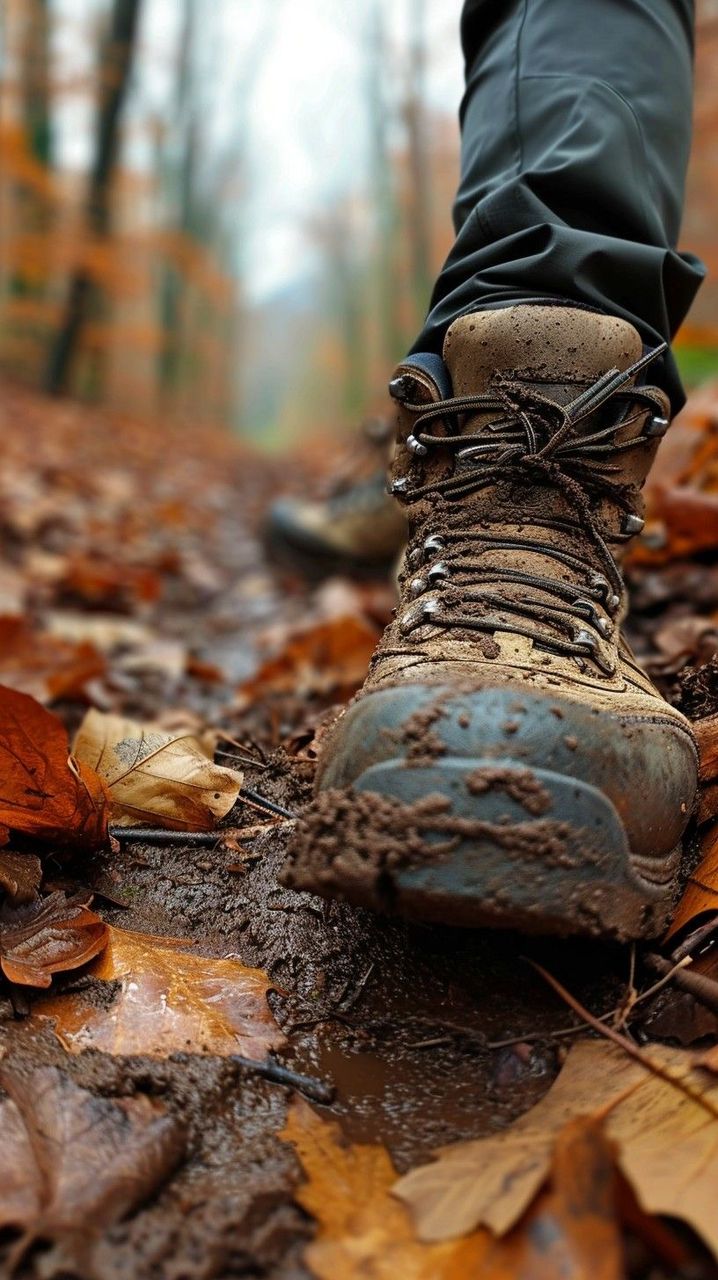
Footwear is another critical aspect of safari preparation. Many safari activities involve walking on uneven terrain, rocky trails, muddy forest paths, or steep mountain slopes. Gorilla trekking in Bwindi Impenetrable National Park, chimpanzee tracking in Kibale National Park, hiking Mount Elgon, or exploring the Ngorongoro Highlands all require footwear that offers excellent grip, ankle support, and durability. Investing in quality Waterproof Trekking Boots, Hiking Boots, or Hiking Shoes significantly improves comfort and reduces the risk of injuries during long outdoor excursions. Reliable footwear not only enhances your confidence while navigating difficult terrain but also ensures your feet remain dry and comfortable throughout your adventure. Wildlife Outdoor Gear UG stocks a wide range of premium hiking footwear designed for both casual nature lovers and experienced trekkers seeking dependable performance in demanding environments.
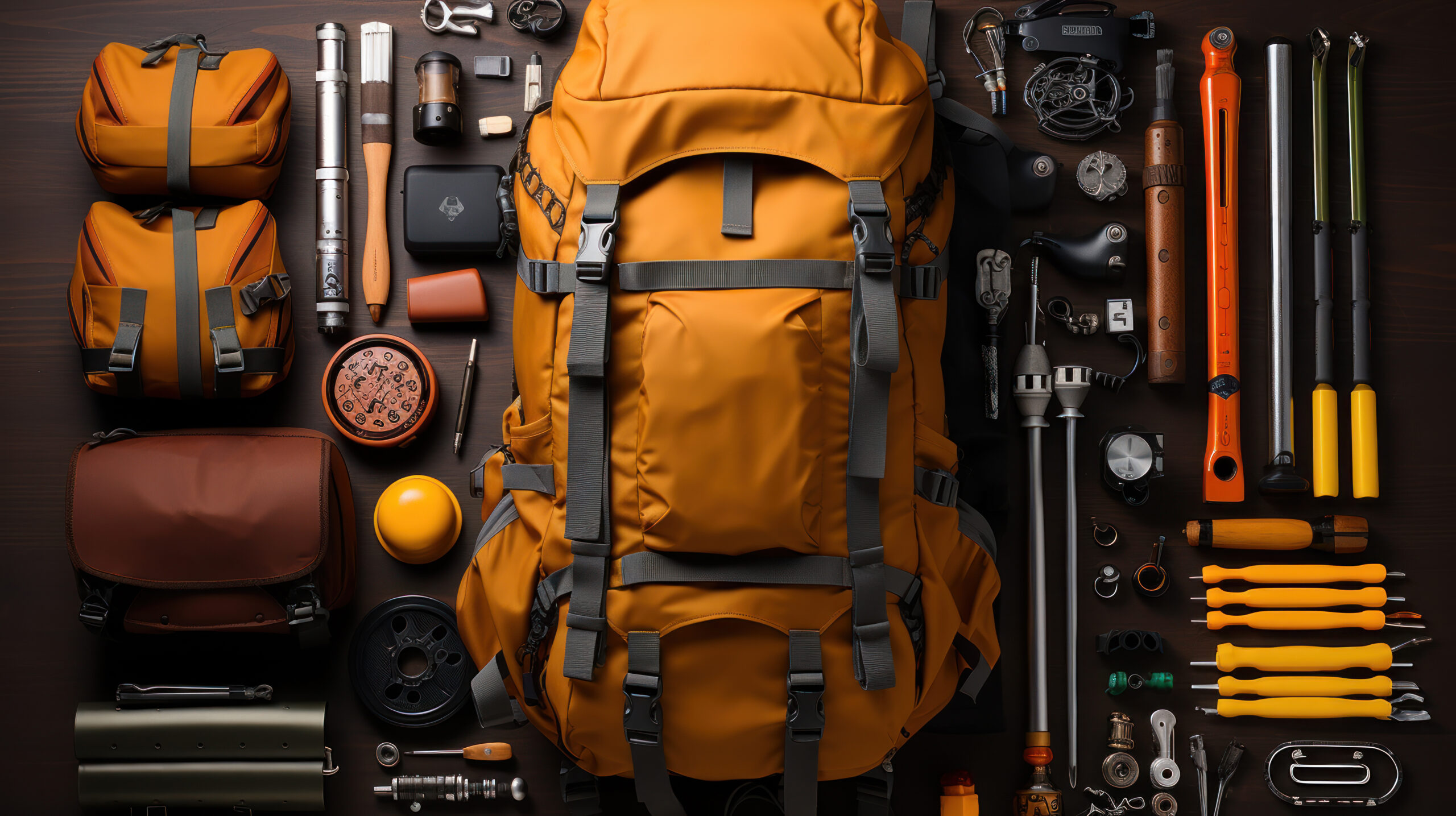
Carrying the right equipment is just as important as wearing the appropriate clothing. Every safari traveler should have a durable Trekking Backpack capable of holding daily essentials such as drinking water, snacks, cameras, binoculars, field guides, personal medication, power banks, and extra clothing. Adding a Waterproof Backpack Cover protects valuable belongings from dust and rain while maintaining the durability of your equipment. Travelers planning camping safaris or multi-day expeditions should also consider portable camping solutions such as Camping Chairs, Folding Camping Beds, Camping Tables, and complete Camping Kitchen Sets that include stainless steel cookware, cooking utensils, cutting boards, storage containers, and portable kitchen organizers. These products allow travelers to enjoy the outdoors comfortably while preparing meals in remote locations without sacrificing convenience or hygiene.
Staying safe and comfortable during a safari extends beyond clothing and camping equipment. Accessories often make a significant difference in enhancing the overall experience. Carrying a reliable Multi-function Tool, a Travel Accessory Kit, Anti-Fog Magnetic Snow Goggles for high-altitude adventures, and a Flashlight or Headlamp for evening activities ensures travelers are prepared for a wide variety of situations. A reusable water bottle or hydration system should always accompany travelers to prevent dehydration during long hours spent exploring parks and reserves. Sunscreen, insect repellent, a compact first aid kit, and personal hygiene supplies should also be included in every traveler’s backpack. These simple yet practical items contribute greatly to comfort, convenience, and personal safety throughout the journey.
Responsible safari travel is equally important as proper preparation. East Africa’s protected areas are home to diverse wildlife, including elephants, lions, leopards, rhinos, buffaloes, giraffes, zebras, mountain gorillas, chimpanzees, and hundreds of bird species. Visitors should always follow the guidance of professional guides, maintain safe viewing distances, remain inside safari vehicles unless instructed otherwise, avoid feeding wildlife, and dispose of waste responsibly. Ethical tourism helps preserve fragile ecosystems while ensuring that future generations can continue enjoying Africa’s remarkable natural heritage. At the same time, travelers should prepare their photography equipment by carrying extra batteries, memory cards, waterproof storage bags, and cleaning kits to capture unforgettable wildlife encounters without interruption.
Ultimately, a successful safari is the result of thoughtful planning and dependable equipment. Whether your journey takes you to Uganda’s lush forests, Kenya’s sweeping savannahs, or Tanzania’s iconic national parks, investing in quality outdoor gear transforms ordinary travel into an extraordinary adventure. Wildlife Outdoor Gear UG remains committed to equipping every traveler with durable Hiking Boots, Trekking Backpacks, Camping Equipment, Camping Kitchen Sets, Outdoor Sun Hats, Waterproof Backpack Covers, Travel Accessories, and many other premium outdoor products that deliver comfort, safety, and long-lasting performance. With reliable equipment by your side, you can focus on creating lifelong memories while exploring some of Africa’s most spectacular destinations with confidence. Wildlife Outdoor Gear UG—Equipping Every Journey, Inspiring Every Adventure.
CONTACT US WILDLIFE OUTDOOR GEAR UG
Location: Entebbe, Uganda
Phone/WhatsApp: +256 758 796 453
Instagram: WILDLIFE OUTDOOR GEAR_UG
X (Twitter): @WildGearOutdoor
Website: https://wildlifeoutdoorgearug.com/
Quality Gear. Trusted Service. Endless Adventures. “Equipping Every Journey, Inspiring Every Adventure.”