Categorieshiking safari Tips & Tricks

Preparing for the Ultimate East African Safari: Essential Gear for Uganda, Kenya, and Tanzania

Preparing for the Ultimate East African Safari: Essential Gear for Uganda, Kenya, and Tanzania


East Africa is home to some of the world’s most extraordinary safari destinations, offering unforgettable experiences that attract thousands of travelers every year. Whether you are trekking through the misty forests of Uganda in search of endangered mountain gorillas, witnessing the spectacular Great Wildebeest Migration across Kenya’s Maasai Mara and Tanzania’s Serengeti, exploring the vast plains of Amboseli, cruising along the Kazinga Channel, or camping beneath the African night sky, every adventure requires careful preparation. While choosing the right destination and itinerary is important, having the appropriate outdoor equipment is equally essential for ensuring comfort, safety, and an enjoyable experience. At Wildlife Outdoor Gear UG, we understand that every successful adventure begins with reliable equipment, which is why we supply premium outdoor, safari, camping, and tactical gear designed to meet the needs of adventurers, tour operators, researchers, and outdoor enthusiasts across East Africa.

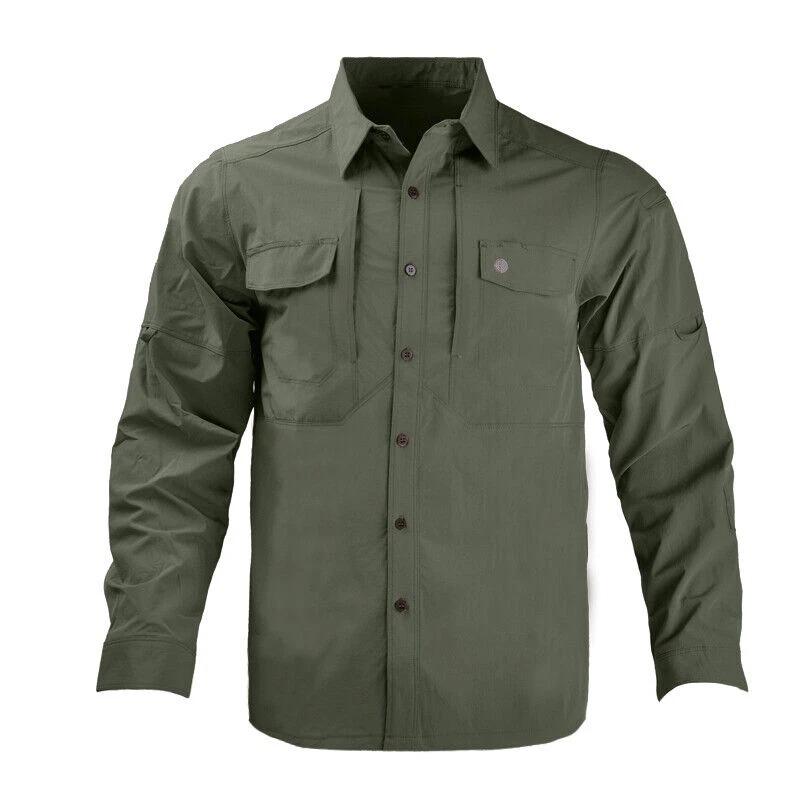
One of the first priorities for any safari traveler is selecting suitable clothing. Safari destinations often experience changing weather conditions, with chilly mornings, warm afternoons, and occasional rain showers. Lightweight, breathable clothing in neutral colours such as khaki, olive green, beige, and brown helps regulate body temperature while blending naturally into the environment without attracting unnecessary attention from wildlife or insects. Long-sleeved shirts and long trousers provide additional protection against thorny vegetation, insects, and prolonged exposure to the sun. Pairing these with a Waterproof Rain Poncho ensures you remain dry during unexpected downpours, especially when visiting tropical rainforests in Uganda or during the wet seasons in Kenya and Tanzania. Completing your outfit with an Outdoor Sun Hat and UV Protection Arm Sleeves provides additional protection from the intense African sun while maintaining comfort throughout long game drives and nature walks. These products are specifically designed to enhance outdoor experiences without compromising mobility or comfort.

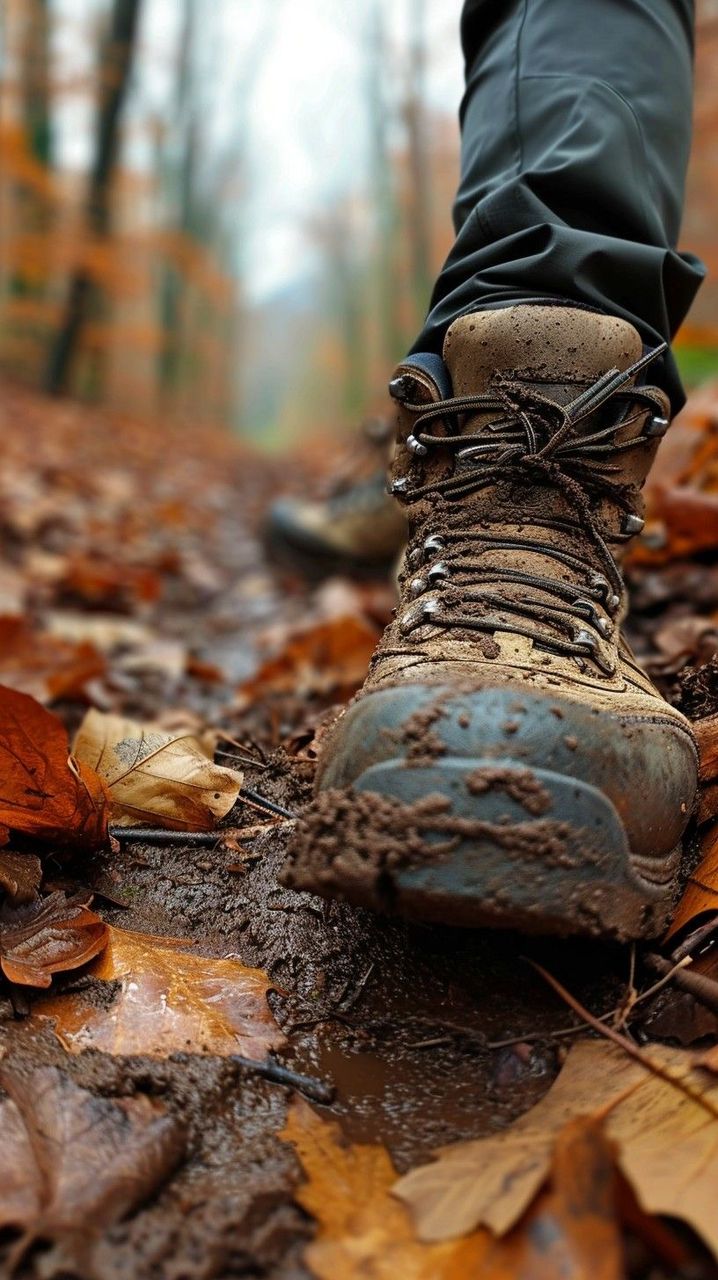
Footwear is another critical aspect of safari preparation. Many safari activities involve walking on uneven terrain, rocky trails, muddy forest paths, or steep mountain slopes. Gorilla trekking in Bwindi Impenetrable National Park, chimpanzee tracking in Kibale National Park, hiking Mount Elgon, or exploring the Ngorongoro Highlands all require footwear that offers excellent grip, ankle support, and durability. Investing in quality Waterproof Trekking Boots, Hiking Boots, or Hiking Shoes significantly improves comfort and reduces the risk of injuries during long outdoor excursions. Reliable footwear not only enhances your confidence while navigating difficult terrain but also ensures your feet remain dry and comfortable throughout your adventure. Wildlife Outdoor Gear UG stocks a wide range of premium hiking footwear designed for both casual nature lovers and experienced trekkers seeking dependable performance in demanding environments.

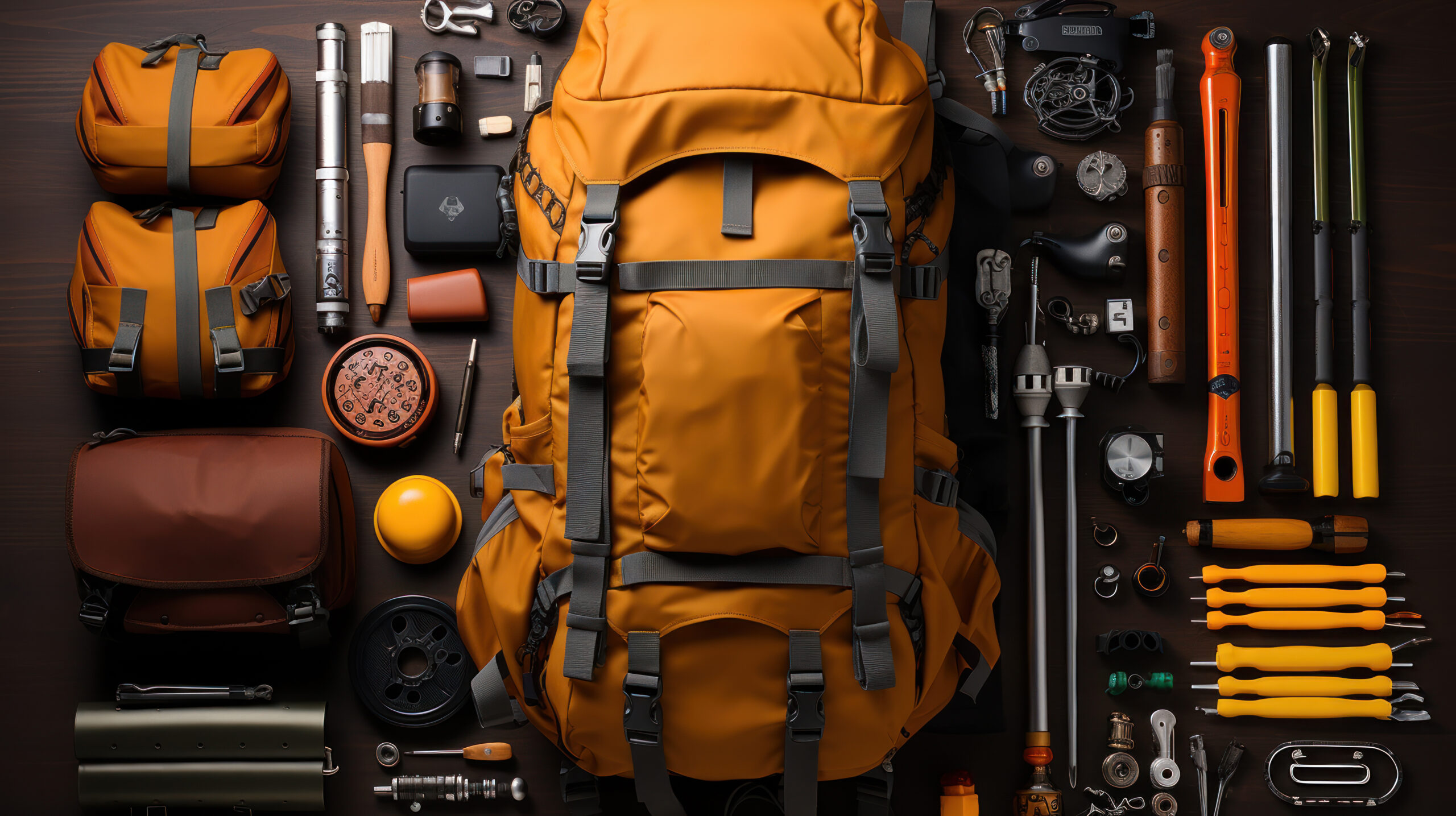
Carrying the right equipment is just as important as wearing the appropriate clothing. Every safari traveler should have a durable Trekking Backpack capable of holding daily essentials such as drinking water, snacks, cameras, binoculars, field guides, personal medication, power banks, and extra clothing. Adding a Waterproof Backpack Cover protects valuable belongings from dust and rain while maintaining the durability of your equipment. Travelers planning camping safaris or multi-day expeditions should also consider portable camping solutions such as Camping Chairs, Folding Camping Beds, Camping Tables, and complete Camping Kitchen Sets that include stainless steel cookware, cooking utensils, cutting boards, storage containers, and portable kitchen organizers. These products allow travelers to enjoy the outdoors comfortably while preparing meals in remote locations without sacrificing convenience or hygiene.

Staying safe and comfortable during a safari extends beyond clothing and camping equipment. Accessories often make a significant difference in enhancing the overall experience. Carrying a reliable Multi-function Tool, a Travel Accessory Kit, Anti-Fog Magnetic Snow Goggles for high-altitude adventures, and a Flashlight or Headlamp for evening activities ensures travelers are prepared for a wide variety of situations. A reusable water bottle or hydration system should always accompany travelers to prevent dehydration during long hours spent exploring parks and reserves. Sunscreen, insect repellent, a compact first aid kit, and personal hygiene supplies should also be included in every traveler’s backpack. These simple yet practical items contribute greatly to comfort, convenience, and personal safety throughout the journey.

Responsible safari travel is equally important as proper preparation. East Africa’s protected areas are home to diverse wildlife, including elephants, lions, leopards, rhinos, buffaloes, giraffes, zebras, mountain gorillas, chimpanzees, and hundreds of bird species. Visitors should always follow the guidance of professional guides, maintain safe viewing distances, remain inside safari vehicles unless instructed otherwise, avoid feeding wildlife, and dispose of waste responsibly. Ethical tourism helps preserve fragile ecosystems while ensuring that future generations can continue enjoying Africa’s remarkable natural heritage. At the same time, travelers should prepare their photography equipment by carrying extra batteries, memory cards, waterproof storage bags, and cleaning kits to capture unforgettable wildlife encounters without interruption.

Ultimately, a successful safari is the result of thoughtful planning and dependable equipment. Whether your journey takes you to Uganda’s lush forests, Kenya’s sweeping savannahs, or Tanzania’s iconic national parks, investing in quality outdoor gear transforms ordinary travel into an extraordinary adventure. Wildlife Outdoor Gear UG remains committed to equipping every traveler with durable Hiking Boots, Trekking Backpacks, Camping Equipment, Camping Kitchen Sets, Outdoor Sun Hats, Waterproof Backpack Covers, Travel Accessories, and many other premium outdoor products that deliver comfort, safety, and long-lasting performance. With reliable equipment by your side, you can focus on creating lifelong memories while exploring some of Africa’s most spectacular destinations with confidence. Wildlife Outdoor Gear UG—Equipping Every Journey, Inspiring Every Adventure.

CONTACT US WILDLIFE OUTDOOR GEAR UG

Location: Entebbe, Uganda

Phone/WhatsApp: +256 758 796 453

Instagram: WILDLIFE OUTDOOR GEAR_UG

X (Twitter): @WildGearOutdoor

Website: https://wildlifeoutdoorgearug.com/

Quality Gear. Trusted Service. Endless Adventures. “Equipping Every Journey, Inspiring Every Adventure.”


Categorieshiking Lifestyle Tips & Tricks Uncategorized

Blending In with Nature: Choosing the Right Colors for Your Safari Clothing

When preparing for a safari adventure, the color of your clothing is more important than you might think. It’s not just about style it’s about function, comfort, and blending seamlessly into the wild. The right colors can enhance your experience, while the wrong ones might even ruin it. So, what should you wear?

Stick to earthy, neutral tones like khaki, olive green, beige, and light brown. These colors help you blend into your surroundings, making you less noticeable to wildlife. Animals feel more at ease when they don’t sense human presence, which means better and closer sightings for you. Avoid bright colors like red, blue, orange, and white. These can startle animals and attract unnecessary attention, especially from insects like tsetse flies, which are drawn to dark blues and blacks.

Another important factor is the environment you’ll be exploring. In dry savannah regions, lighter colors reflect the sun’s heat and keep you cooler. In forested or jungle areas, darker neutrals can help you blend into the shady undergrowth. Whatever the landscape, staying natural and muted is key.

At Wildlife Outdoor Gear Shop, we stock safari clothing in the perfect shades for your journey designed to keep you comfortable, protected, and in tune with nature. Visit us today and gear up the right way for your next unforgettable safari!

Categorieshiking

Pack Like a Pro: Your Ultimate Guide to Choosing the Perfect Hiking Backpack

Choosing the perfect hiking backpack is one of the most important steps in planning a successful and comfortable outdoor adventure. The ideal backpack should be tailored to the type of hike you’re undertaking — for instance, a compact 15–30 liter daypack works well for short hikes where only water, snacks, and a few essentials are needed, while a 30–50 liter pack is better suited for overnight trips. For multi-day treks or backcountry expeditions lasting several days, a 50–70 liter backpack is typically necessary to carry a tent, sleeping gear, cooking equipment, food, and extra clothing. For extended or winter trips, you may need a pack with 70+ liters of capacity. However, capacity is only part of the equation — a proper fit is essential for reducing strain and preventing injury. A well-fitted backpack should match your torso length (measured from the base of your neck to the top of your hip bones) and have a snug, padded hip belt that carries the majority of the pack’s weight. Adjustable shoulder straps, sternum straps, and load lifters also help balance the load and keep it close to your body for better stability on uneven terrain. Internal frame backpacks are the most popular due to their ability to support heavy loads while maintaining a slim, body-hugging profile, whereas external frame packs are ideal for hauling bulky or awkward gear and offer better ventilation. Frameless packs are lightweight and minimalist but require a well-curated gear setup and experience. Features like hydration reservoir sleeves for hands-free drinking, multiple compartments for organizing gear, hip belt pockets for snacks or electronics, built-in rain covers, and external attachment points for trekking poles, sleeping pads, or ice axes can greatly enhance your backpacking experience. When choosing a pack, it’s also important to consider the balance between weight and durability: ultralight packs made with thin materials can save ounces on long-distance hikes but may lack the comfort and ruggedness of heavier-duty packs designed for frequent use or rough terrain. For those in Uganda or East Africa looking to gear up, visit Wildlife Outdoor Gear shop for the best backpacks and outdoor essentials — whether you’re planning a short hike or a long expedition, they offer a wide selection to meet your specific adventure needs. Ultimately, the best hiking backpack is one that feels like an extension of your body it fits well, carries everything you need without excess, and supports you mile after mile, allowing you to focus less on discomfort and more on the trail ahead.

CategoriesFishing hiking Lifestyle Tips & Tricks

Pack Light and Pack Right: Uganda Safari Essentials You Can’t Forget

Planning a safari in Uganda is unlike any other wildlife adventure. From the dense, misty jungles of Bwindi Impenetrable National Park home to the rare mountain gorillas to the sweeping savannahs of Queen Elizabeth National Park and the thunderous spectacle of Murchison Falls, Uganda offers an incredible variety of landscapes and experiences. But to explore the “Pearl of Africa” comfortably and safely, having the right gear is essential.

At Wildlife outdoor gear shop, we provide premium safari gear specifically suited for Uganda’s terrain, weather, and activities. Clothing should be lightweight, breathable, and in neutral tones like khaki or olive to blend in with the environment and avoid attracting insects. Long-sleeved shirts and convertible pants help protect against sun, thorny vegetation, and tsetse flies, especially on treks through dense forests. Sturdy, waterproof hiking boots are a must for gorilla and chimpanzee tracking, which often involve muddy, uneven trails. A lightweight rain jacket or poncho is also vital, especially in Uganda’s rainforest regions where showers are frequent.

Don’t overlook the importance of accessories. A wide-brimmed hat, polarized sunglasses, and sunscreen will protect you during long game drives under the sun, while a daypack is ideal for carrying water, snacks, a first aid kit, and other essentials during treks. Insect repellent with DEET, mosquito head nets, and quick-dry socks can go a long way in keeping you comfortable in both bush and forest environments. For those flying to remote areas, soft-sided duffel bags are preferred over hard suitcases due to luggage restrictions on small aircraft.

Whether you’re setting out to see the Big Five or embarking on a once-in-a-lifetime gorilla trek, our expertly curated safari gear ensures you’re prepared for every moment. With locally informed insights and durable, field-tested equipment, Wildlife outdoor gear shop helps you travel smarter and safer in Uganda’s wild beauty.

Categorieshiking

Make the Right Choice: Find the Perfect Hiking Shoes

Hiking is one of the most rewarding ways to connect with nature, but the wrong footwear can turn an enjoyable adventure into a painful ordeal. That’s why choosing the right hiking shoes is crucial. Your shoes should provide the right balance of comfort, support, and durability based on the terrain and length of your hikes. For light trails or short day hikes, low-cut hiking shoes offer breathability and flexibility without unnecessary weight. If you’re carrying a backpack or navigating rocky or steep paths, mid to high-cut hiking boots are a better choice—they offer excellent ankle support and are built to handle tougher conditions. Trail runners are lightweight and fast-drying, suitable for well-maintained trails, though they offer less protection and support. Regardless of the type, key features to look for include a snug fit (with room to wiggle your toes), solid grip with deep lugs, waterproofing (like Gore-Tex) for wet environments, and cushioned midsoles for long-distance comfort. Don’t overlook the importance of quality socks—they help prevent blisters and manage moisture. Top-rated hiking shoes for 2025 include the Salomon X Ultra 4 GTX , known for its stability, lightweight feel, and reliable traction; the Merrell Moab 3, a long-standing favorite for comfort right out of the box; and the LOWA ZEPHYR GTX® MID HIKING BOOTS a high-performance boots offering superb support, waterproof protection, and long-term durability—perfect for demanding hikes and heavy packs. Always break in new footwear before hitting long trails and remember to clean and air them out after each hike. With the right hiking shoes, you’ll be ready to explore farther, climb higher, and hike happier—so make the right choice and let your feet carry you wherever the trail leads.

CategoriesUncategorized

The right gear makes all the difference when frolicking outdoors. Whether you’re a beginner hiker or a veteran, this comprehensive guide covers all the must-have gear for a successful backpacking trip.

When I first started backpacking, I had accumulated a hodgepodge of cheap gear that I either bought or received second-hand. That worked for awhile, but as I backpacked more and more, I began to replace my original gear with things that worked better for me. That is, with gear that was affordable and functional without comprising on quality. With each hike, I learned what I did and didn’t need, and what was worth splurging on or where I could save a few dollars. Now, after hundreds of miles hiking and backpacking (and much trial-and-error) I am happy with all the gear I own and believe I have better outdoor experiences with it. This isn’t to say that good gear equates to good experiences. No, the outdoor warm-and-fuzzies come from a deeper place than that. But the right gear sure can help.

It is my hope that this gear list will help propel beginner hikers into the backpacking space with confidence, while also being beneficial to the backpacking veterans among us. And for even more recommendations, check out Essential Gear For Day Hiking.

The gear on this list fits the following criteria:

  • Affordable | Some big ticket items are splurge-worthy, but the bulk of my gear is budget-friendly or priced in the mid-range.

  • Quality | I seek products that are affordable without sacrificing quality. Personally, I’m willing to invest (reasonably) if it will last me.

  • Waterproof | Being in the PNW, I need to keep dry and warm while frolicking in the elements.

  • Lightweight | Every ounce counts when backpacking! I like to stay light by using gear that can be easily packed down.

Now, just one wee note before diving in: Wildlife outdoor gear shop ug is my main outdoor store so the majority of these products are found there. Many can also be found at your local outfitter or directly with the manufacturer. Second hand stores in your area may also have deals on these items which is a great place to look for gear!

CategoriesBoating Fishing Lifestyle Tips & Tricks

Top 10 tips for selecting the best safari clothing

Top 10 tips for selecting the best safari clothing.

Follow our safari clothing  advice and you’ll be comfortable, cool, protected, and assured that the safari clothing you pack is 100% safari suitable. Learn what safari clothing to pack – and what clothing not to pack – for your safari.

To get more insight into this list, please simply scroll down this page to where we elaborate further – and/or download our free packing list.

1.Dress in layers for all activities, with a warm layer essential in the mornings and evenings. long sleeved  with roll-up tabs and zip off trousers allow you to adapt to local conditions.

2. Color is key: Select safari clothing which is made from muted neutral and naturally-toned fabric such as shades of khaki, greens, and browns.

3. No white or black clothing: Please ensure that you do not go on safari wearing clothing made from fabric which is white or black – or shades of fabric which appear white in direct sunlight.

4. No camouflaged clothing: it is illegal in some African countries for civilians to wear camouflage safari clothing, so this is best avoided.

5. Man-made fabric vs cotton: As a general guideline, man-made fabrics (such as polyamide) outperform natural fabrics (such as cotton) – and so keep you cooler and better protected from the sun.

6. Pack a wide-brimmed hat: You will be out in the sun for long hours of the day and a good wide-brimmed hat is an essential.

7. Pack a warm layer: Even in mid-summer, it gets cold on the back of an open 4×4. Do not leave home without a safari jacket or fleece.

8. Pack a dry layer: When it rains in Africa, it tends to pour. If travelling during the rainy season, take a truly waterproof layer. Southern Africa tends to have rains November to April; East Africa gets rain in April/May and in November.

9. Pack light: Luggage restrictions on internal flights means that packing lightweight safari clothing is key. The bonus is the lighter the clothing, the more you can pack in.

10. Comfortable shoes: At the very least, take your best walking shoes and a pair of sandals or flip-flops (thongs).

CategoriesUncategorized

Hello world!

Welcome to WordPress. This is your first post. Edit or delete it, then start writing!

CategoriesFishing Uncategorized

Hunting The Rut in Ag Country vs. The Big Woods

Lorem ipsum dolor sit amet, consectetur adipisicing elit, sed do eiusmod tempor incididunt ut labore et dolore magna aliqua. Ut enim ad minim veniam, quis nostrud exercitation ullamco laboris nisi ut aliquip ex ea commodo consequat. Duis aute irure dolor in reprehenderit in voluptate velit esse cillum dolore eu fugiat nulla pariatur. Read more “Hunting The Rut in Ag Country vs. The Big Woods”

Add to cart